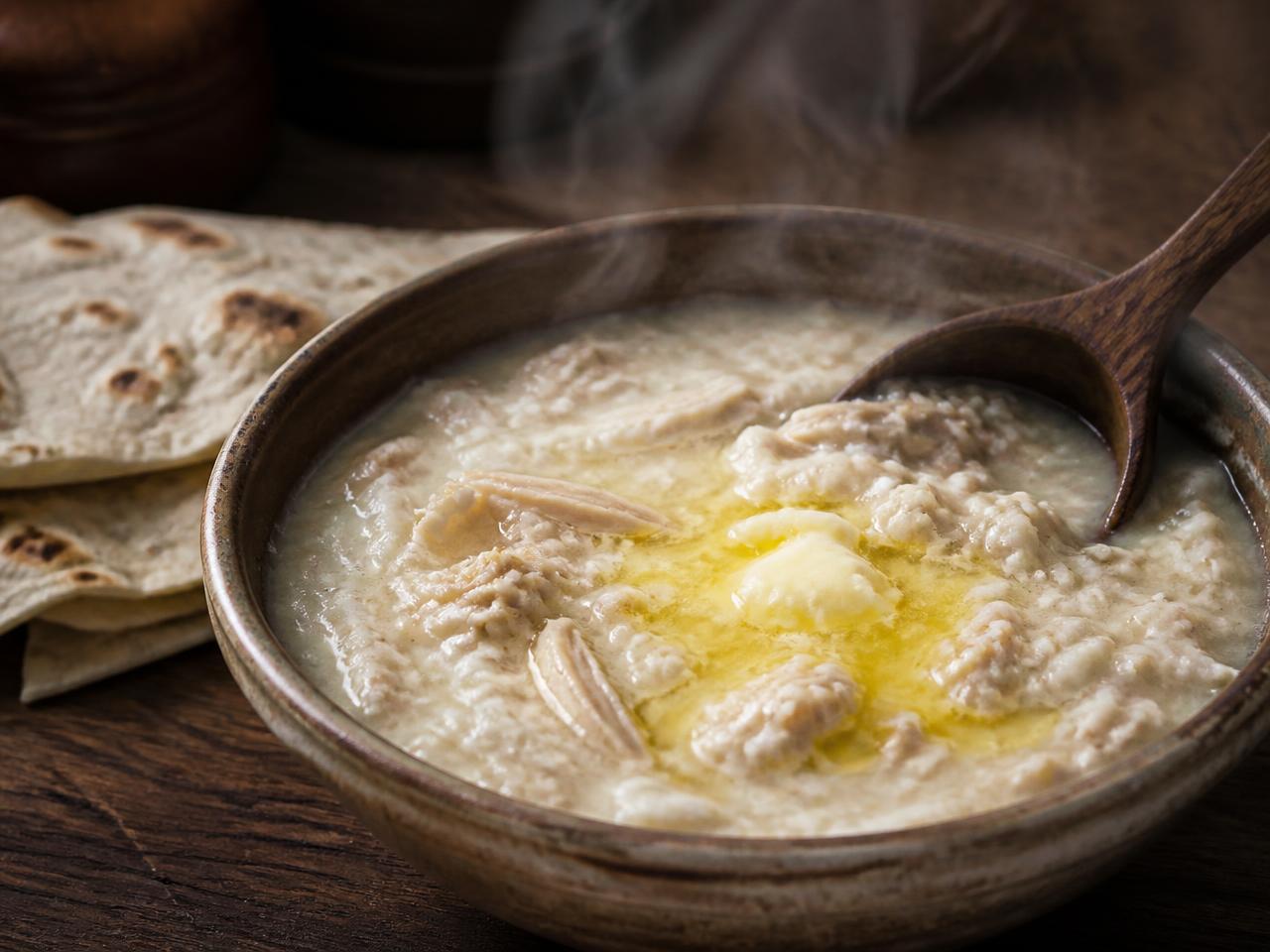
Bread10 min
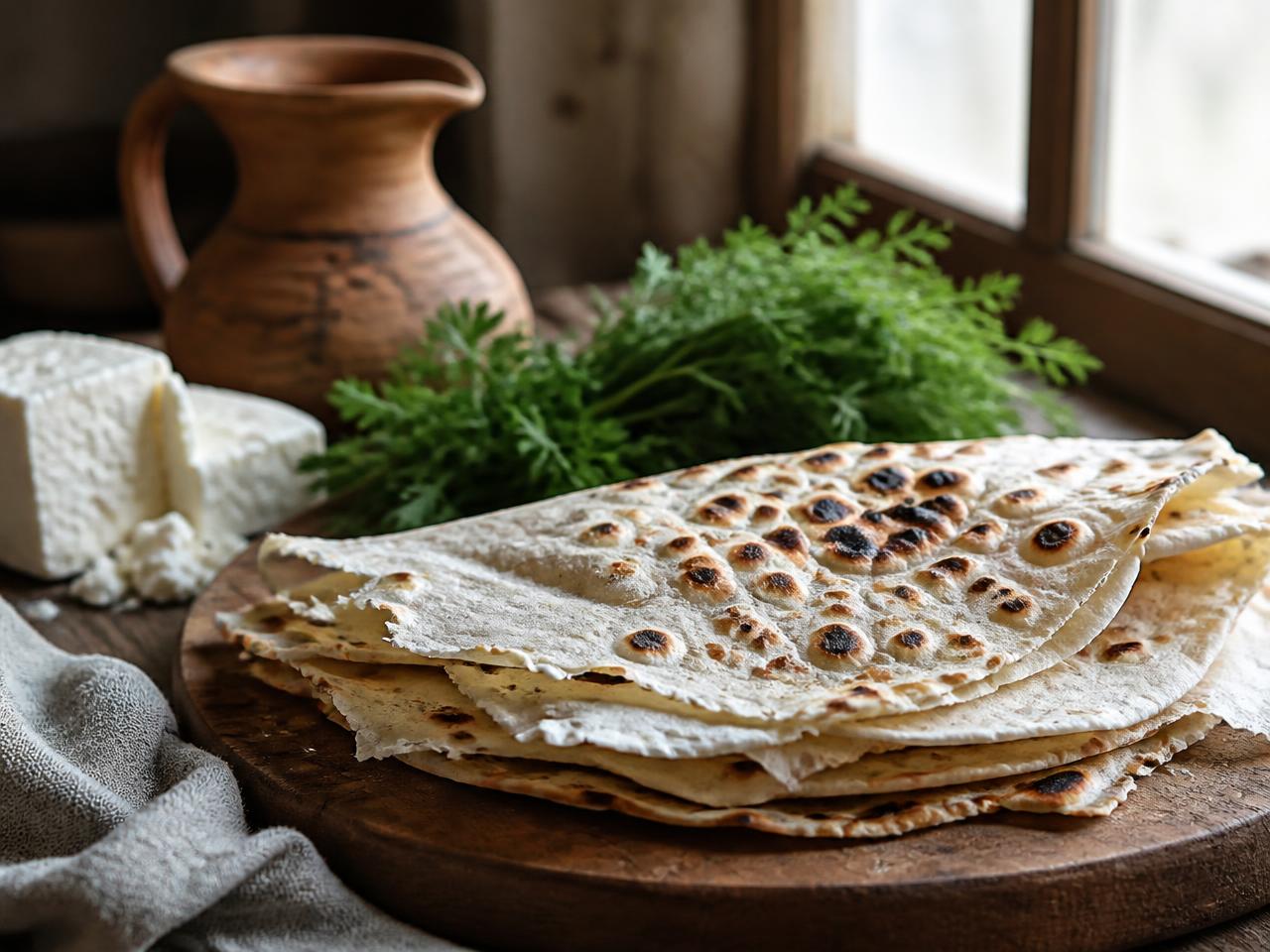
Lavash
Paper-thin unleavened flatbread, blistered and scored in the tradition of the hearth.
Step-by-step →Ancient hearth dishes, told step by step. From charcoal-kissed khorovats to slow-beaten harissa — recipes rooted in the tonir ovens of the Caucasus, with the story behind each one.
Paper-thin unleavened flatbread, blistered and scored in the tradition of the hearth.
Step-by-step →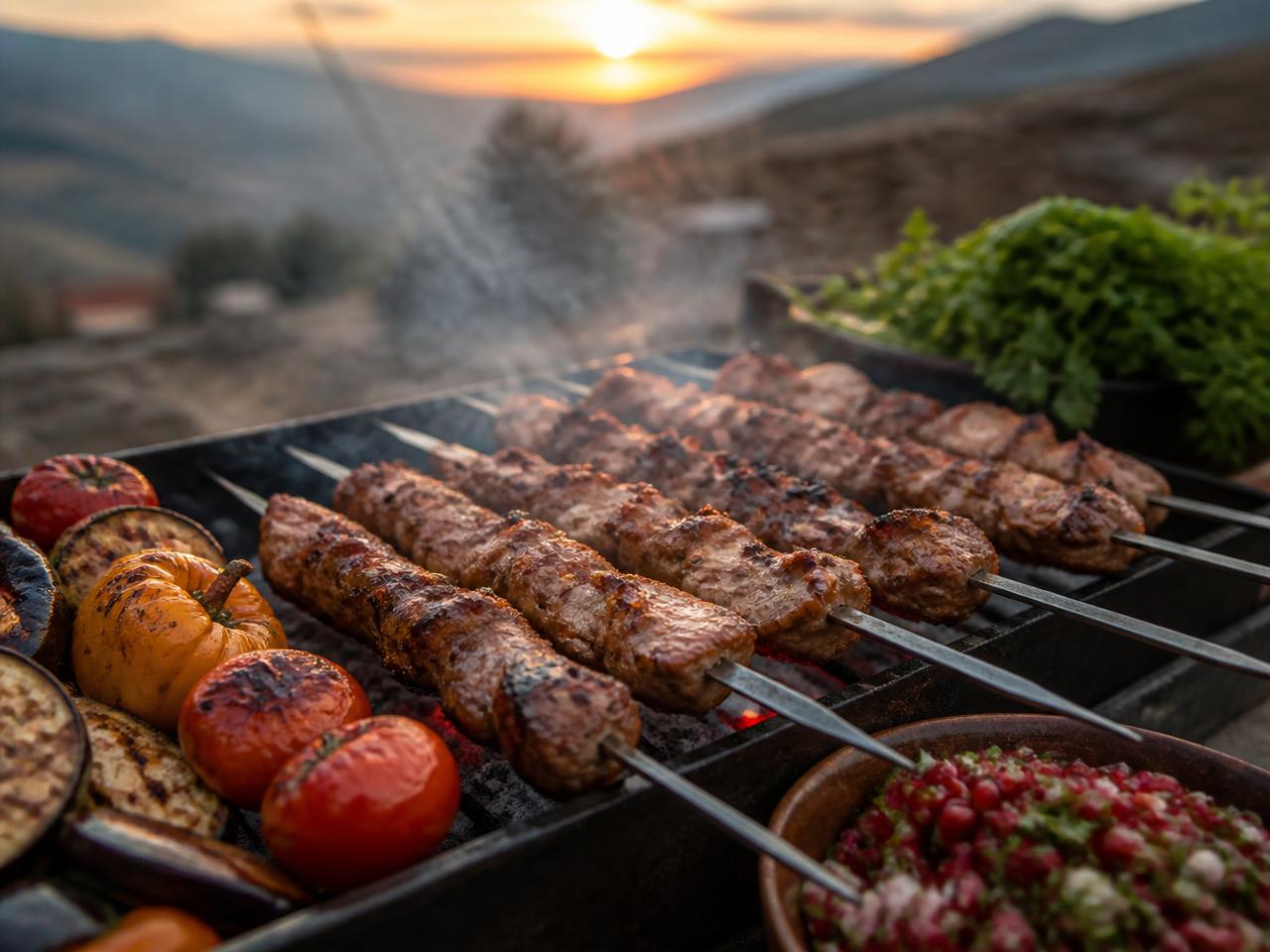
Charcoal lamb glazed in pomegranate molasses, the Sunday centerpiece of the Caucasus.
Step-by-step →
Hand-pleated beef dumplings, fried crisp and buried under a crown of black walnut.
Step-by-step →Source pomegranate, walnuts and dried herbs — the spine of the pantry.
Layer the base slow, letting each element give its flavor to the pot.
Patience here — low and steady heat, never rushed.
Put it at the center of the table. In Armenia, food is shared, not plated.
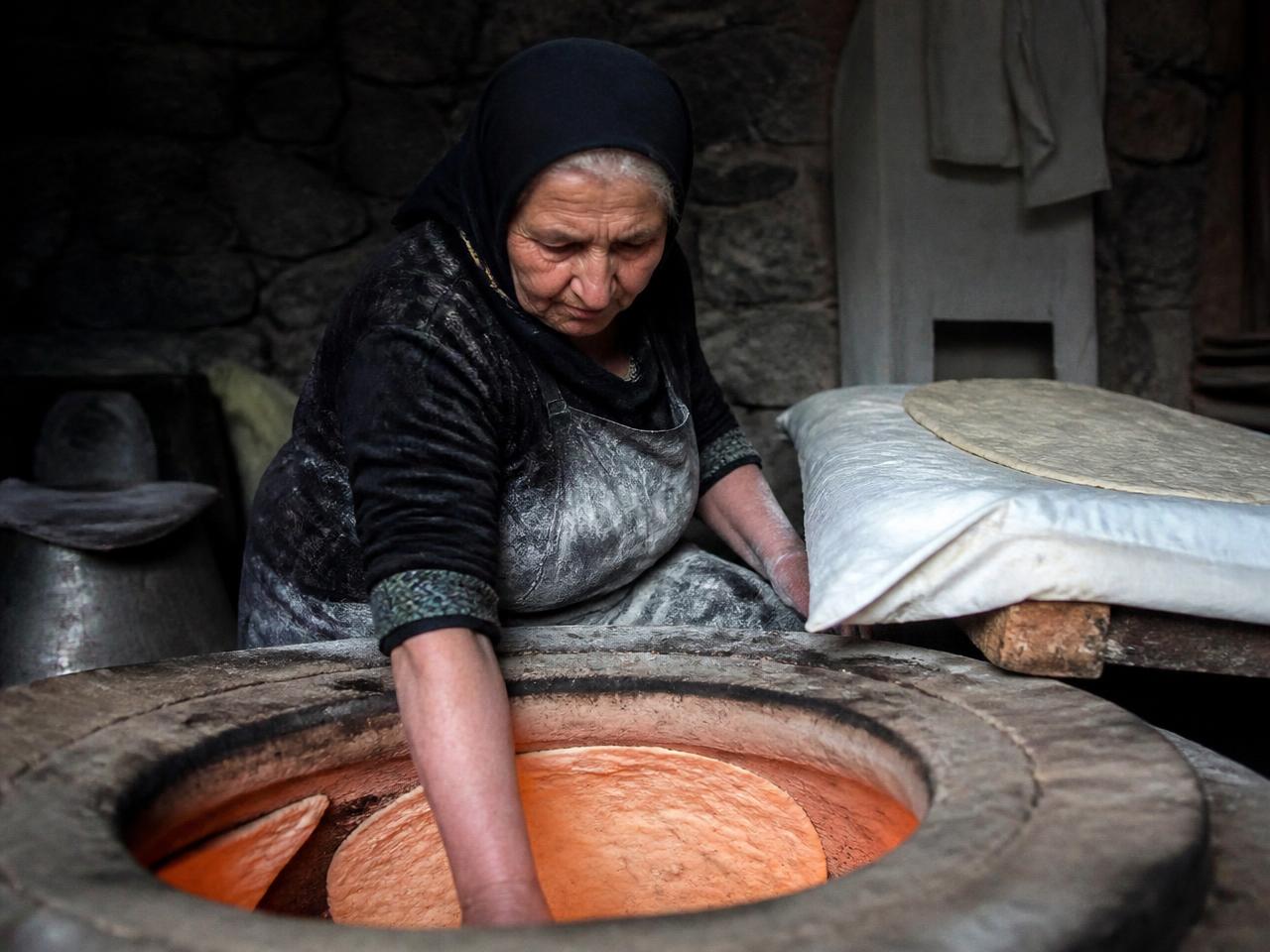
The tonir — a clay oven sunk into the floor of the house — has shaped the Armenian table for thousands of years. Bread was slapped against its walls, stews were buried in its embers, and the family gathered around its mouth for warmth. Making and sharing lavash from it is recognised by UNESCO as intangible cultural heritage.
We document these dishes the way they are lived: with the technique, the reasoning, and the occasions that kept them alive — feast days, fasts, pilgrimages and long winters.
Explore Armenian culture