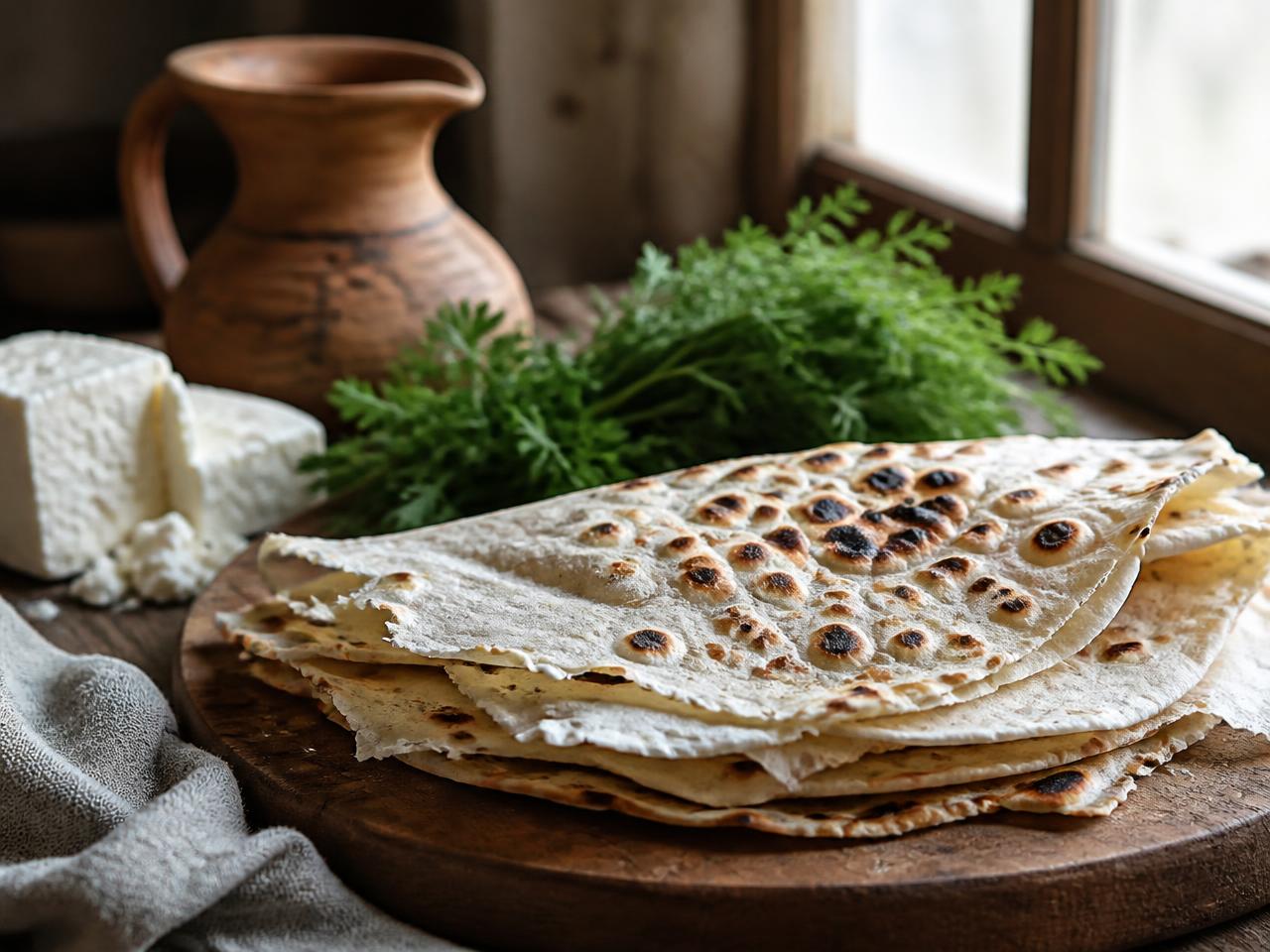
Lavash
Paper-thin unleavened flatbread, blistered and scored in the tradition of the hearth.
Step-by-step →Clear all-night broth of trotters, eaten at dawn with garlic, dried lavash and no ceremony but its own.
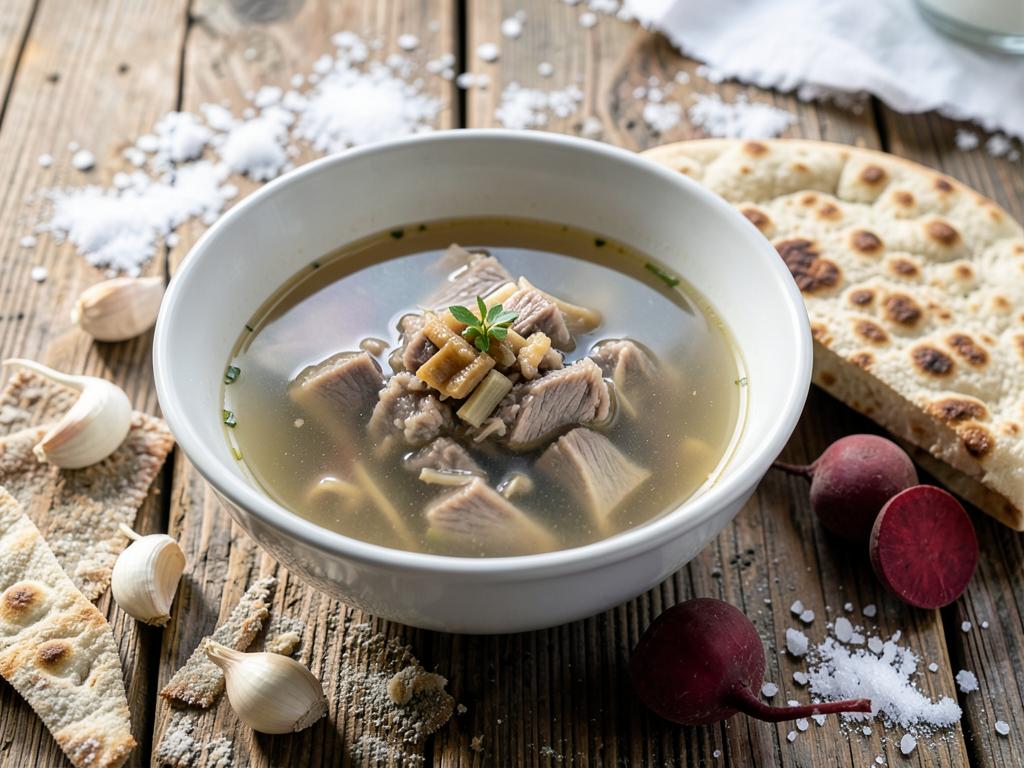
Scrub the trotters hard, then soak them in cold water overnight, changing the water two or three times.
Cover with fresh water and simmer six to eight hours. No salt, no onion, no bay — khash is deliberately unseasoned in the pot.
Lift the grey foam off in the first hour so the broth stays clear rather than clouded.
Pound raw garlic with a little broth and salt into a sharp paste; each guest seasons their own bowl.
Ladle broth and meat into deep bowls, break dried lavash over it and eat immediately with radish, herbs and a small glass of oghi.
Lighter and quicker than beef, common in mountain villages.
Some households add cleaned tripe for body and chew.
It is heavy, warming labourer's food, meant to carry you through a cold working day.
Yes, about 90 minutes, though the broth is cloudier than a long open simmer.
Khash is a winter morning meal, eaten between about six and nine o'clock, traditionally by men who had worked the night or were about to start the day. It is one of the few Armenian dishes served entirely unsalted so that each person builds their own bowl.
Once it was food for shepherds and the poor — the parts no one else wanted, boiled long enough to become nourishing. Today it is a ritual of friendship, with its own toasting order and the rule that no one leaves the table early.
Paper-thin unleavened flatbread, blistered and scored in the tradition of the hearth.
Step-by-step →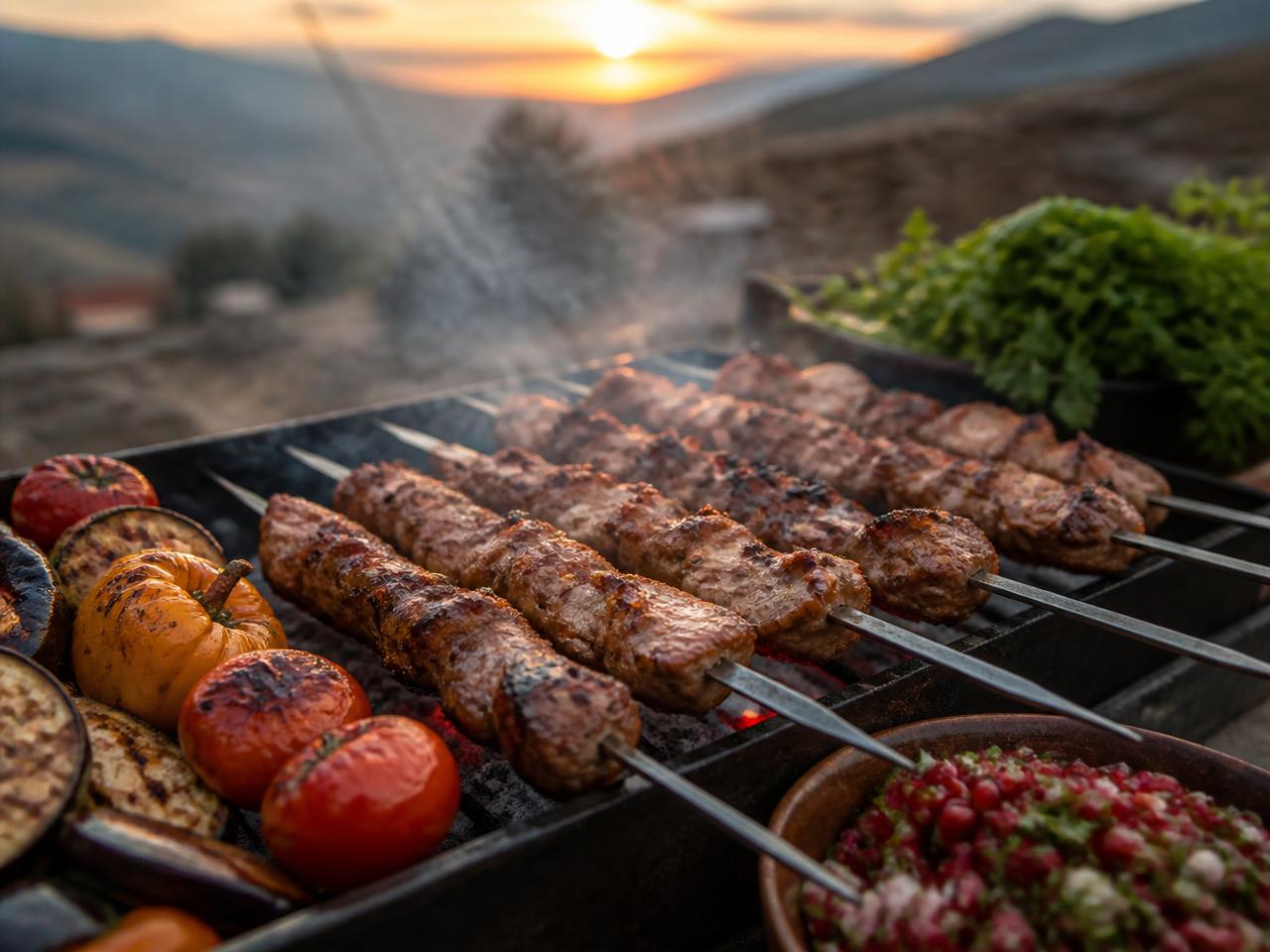
Charcoal lamb glazed in pomegranate molasses, the Sunday centerpiece of the Caucasus.
Step-by-step →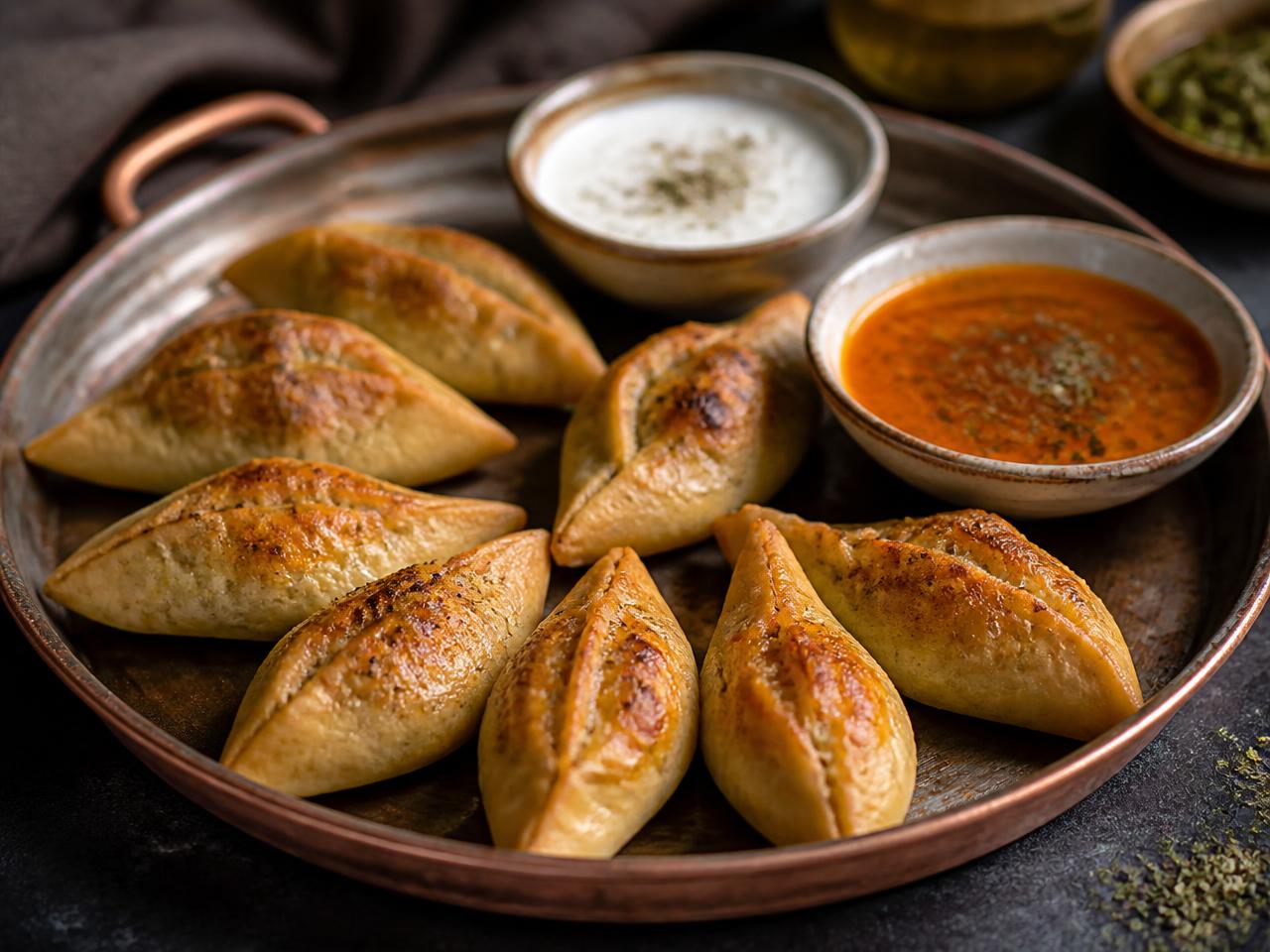
Hand-pleated beef dumplings, fried crisp and buried under a crown of black walnut.
Step-by-step →